
3
Nearly 30% of luxury car buyers now actively seek bespoke options, a figure that’s doubled in the last five years. The Ford Mustang GTD, with its $325,000 price tag and hand-built nature, isn’t simply a faster Mustang; it’s a calculated experiment in catering to this burgeoning demand for extreme personalization, and a signal of a significant shift in how performance vehicles will be conceived and created.
Beyond Horsepower: The Rise of ‘Coachbuilding Lite’
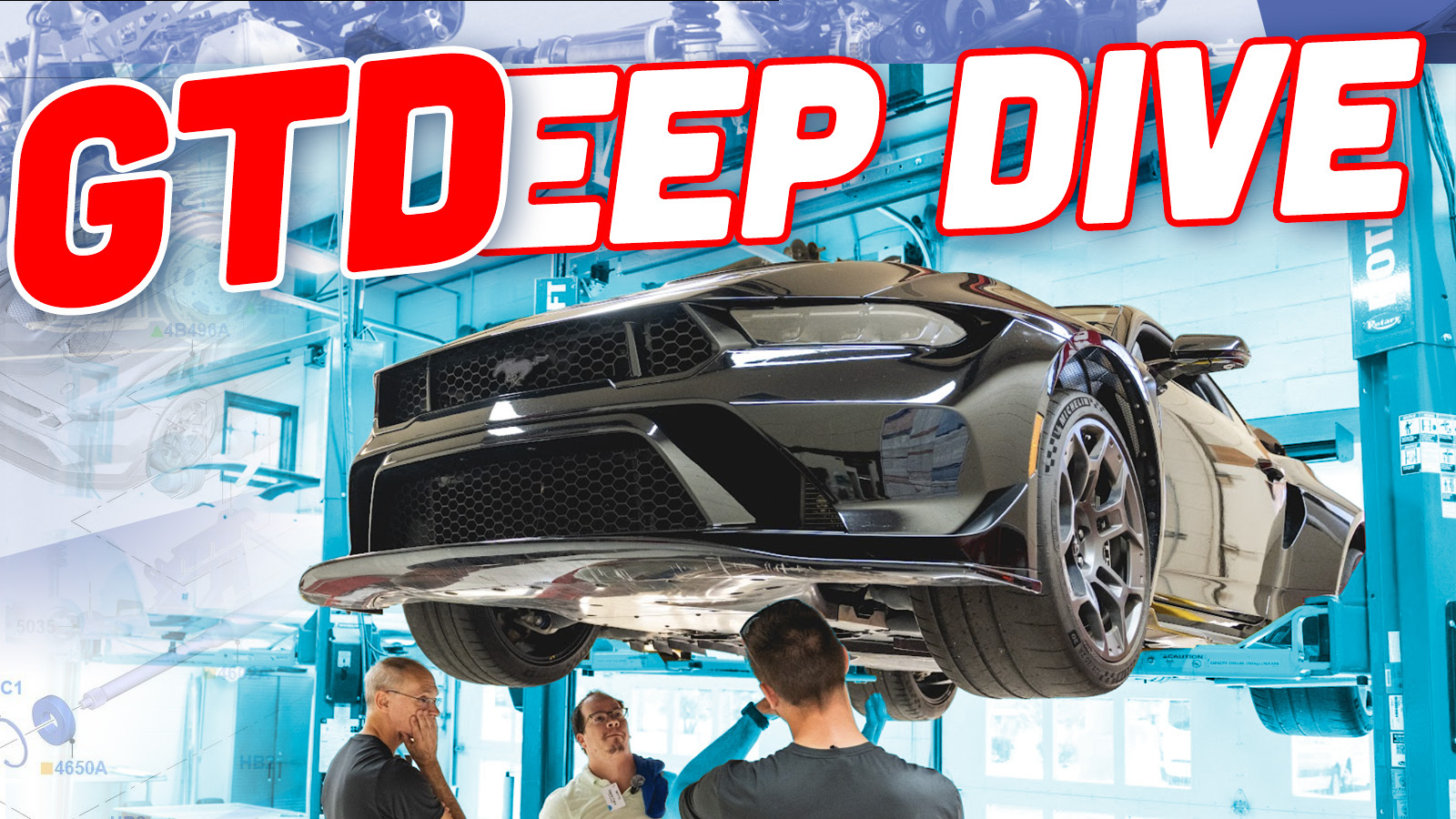
The GTD’s 815 horsepower figure is undeniably impressive, but focusing solely on that number misses the point. What Ford has done is effectively offer a limited-run, highly customized vehicle that blurs the lines between mass production and traditional coachbuilding. The extensive modifications – from the carbon fiber bodywork to the bespoke suspension – aren’t simply bolt-on upgrades. They represent a fundamental re-engineering of the Mustang platform, performed not by an independent atelier, but by the manufacturer itself.
This is a crucial distinction. Historically, coachbuilding was the domain of independent firms catering to the ultra-wealthy. Now, manufacturers are increasingly offering similar levels of customization *directly* to consumers, leveraging their existing production infrastructure and engineering expertise. This “coachbuilding lite” model allows for greater control over quality and brand consistency, while still satisfying the desire for exclusivity.
The Flat Rock Assembly Line as a Boutique Workshop
The Drive’s reporting on the GTD’s journey from the Flat Rock Assembly Line highlights this fascinating duality. The car begins life as a standard Mustang, but then undergoes a radical transformation at the hands of skilled technicians. This isn’t mass production; it’s a carefully orchestrated process of hand-assembly and meticulous attention to detail. It begs the question: how much of the future of high-performance car manufacturing will look like this – a hybrid of automated processes and artisanal craftsmanship?
The Data Speaks: Performance and Price
Metric
Ford Mustang GTD
Horsepower
815 hp
Price (approx.)
$325,000
0-60 mph (est.)
Under 3.0 seconds
Track Focus
Extremely High
Implications for the Broader Automotive Landscape
The GTD isn’t an isolated incident. We’re seeing similar trends emerge across the industry. Limited-edition models with extensive customization options are becoming increasingly common, particularly in the luxury and performance segments. Manufacturers are realizing that there’s a significant market for vehicles that offer not just speed and handling, but also a sense of individuality and exclusivity.
This trend is fueled by several factors, including the increasing availability of advanced manufacturing technologies (like 3D printing and carbon fiber molding) and the growing demand for personalized experiences. Consumers, particularly younger generations, are less interested in simply owning a status symbol and more interested in expressing their unique identity through their purchases.
Furthermore, the GTD’s success could pave the way for more radical customization options in the future. Imagine a scenario where customers can design their own body panels, choose their own interior materials, and even specify their own engine tuning – all through a manufacturer-backed platform. This level of personalization would represent a fundamental shift in the automotive ownership experience.
The Future of Performance: Beyond the Track
The Mustang GTD’s focus on track performance is undeniable, as evidenced by Car and Driver’s instrumented testing. However, the underlying principles of customization and personalization will extend far beyond the racetrack. We can expect to see these trends influencing the design and production of electric vehicles, SUVs, and even everyday commuter cars. The desire for individuality isn’t limited to the high-performance segment; it’s a universal human need.
The GTD is a bold statement, a demonstration of what’s possible when a manufacturer embraces the power of personalization. It’s a glimpse into a future where cars are not just modes of transportation, but extensions of our personalities.
Frequently Asked Questions About the Future of Automotive Personalization
What role will 3D printing play in automotive customization?
3D printing will be instrumental in creating bespoke parts and components, allowing for rapid prototyping and on-demand manufacturing of customized elements. This will significantly reduce lead times and costs associated with traditional customization methods.
Will this trend lead to higher car prices overall?
While highly customized vehicles like the GTD will remain expensive, the increased adoption of personalization technologies could actually *lower* the cost of customization for more mainstream models, making it accessible to a wider range of consumers.
How will manufacturers manage the complexity of offering extensive customization options?
Manufacturers will rely on sophisticated configurators and digital platforms to manage the complexity of customization. These platforms will allow customers to visualize their designs and ensure compatibility with the vehicle’s engineering specifications.
Is this the end of traditional automotive design?
Not at all. Traditional design will continue to play a vital role, but it will increasingly be complemented by personalization options that allow customers to tailor the vehicle to their individual preferences.
What are your predictions for the future of automotive personalization? Share your insights in the comments below!
En rapport