
35
Reconnaissance de la Palestine par la France: un paysage changeant au Moyen-Orient
<p>The recent announcement by French President Emmanuel Macron to recognize a Palestinian state has sent ripples across the international community. This move, following similar decisions by the UK and Canada, signals a potential shift in the dynamics of the Israeli-Palestinian conflict. The question now isn't *if* a two-state solution is on the table, but *how* these recognitions will reshape the path toward peace.</p>

<h3>The Momentum Builds: More Than Just Symbolic Gestures</h3>

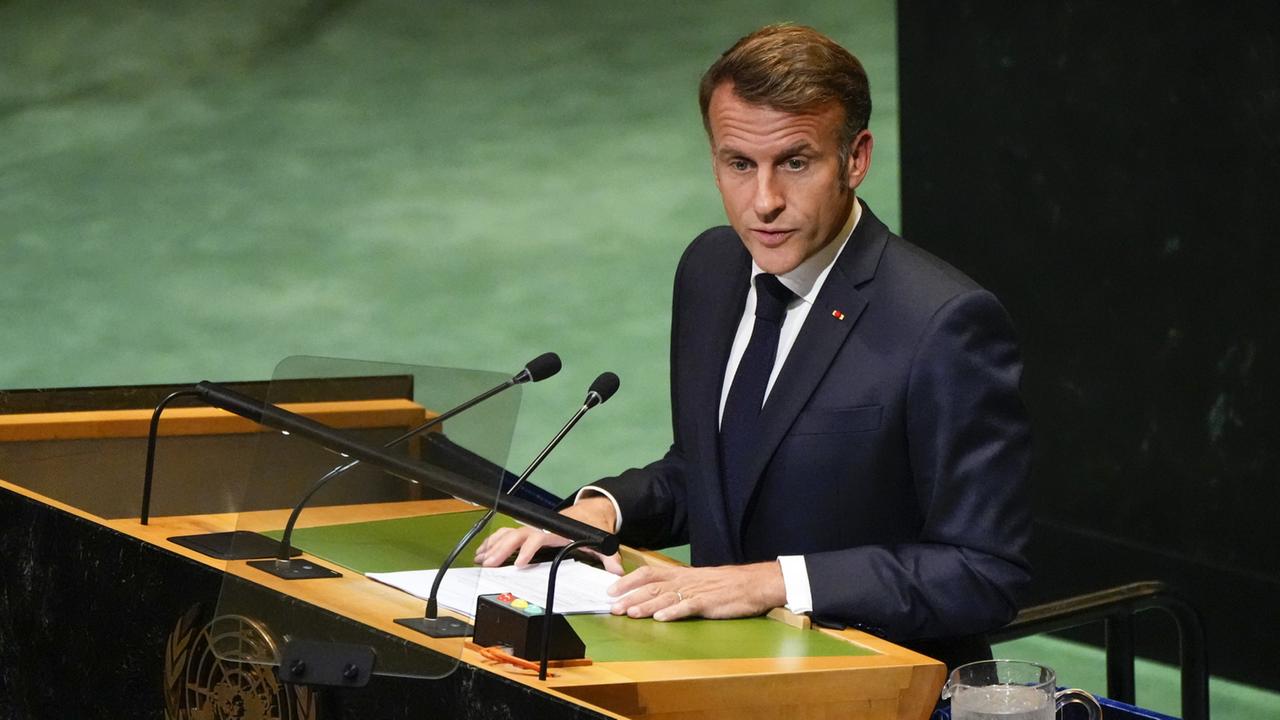
<p>Macron's statement, delivered at a UN conference, emphasized the urgency of addressing the ongoing conflict and the devastating humanitarian crisis in Gaza. He echoed the sentiment of many, stating, “Nothing justifies the ongoing war in Gaza.” This isn't merely symbolic; it's a crucial step toward potentially influencing the political landscape. Recognition by influential nations carries significant weight in international forums, bolstering the Palestinian claim to statehood.</p>

<p><b>Did you know?</b>  Around 150 of the 193 UN member states already recognize Palestine. France's backing alongside the UK and Canada adds significant weight and momentum.</p>

<h3>G7 Nations Taking a Stand</h3>

<p>Great Britain and Canada have previously declared their recognition of a Palestinian state, and they are the first influential Western G7 countries to do so. These new recognitions, particularly from Western nations, are considered to be very important from the Palestinian perspective.</p>

<p>Other G7 countries, such as Germany, still oppose recognition at this time but support the two-state solution. The United States, however, is the sole UN veto power that has not recognized Palestine.</p>

<p><b>Pro Tip:</b> Stay informed by following updates from the <a href="https://www.un.org/unispal/news-and-events/" target="_blank" rel="noopener">UN's Division for Palestinian Rights</a>. They provide comprehensive coverage of developments.</p>

<h3>Impact on the Ground: What Does This Mean?</h3>

<p>The implications of these recognitions are multifaceted. They could put increased pressure on Israel to negotiate a lasting peace settlement. However, the response from Israeli Prime Minister Benjamin Netanyahu, who has condemned the move as a reward for terror, highlights the potential for heightened tensions and challenges to the peace process.</p>

<p>For the Palestinians, this increased international support provides a boost in legitimacy. The move could also pave the way for greater integration into the international community, potentially opening doors for full UN membership. The US, an ally of Israel, and the Trump administration have also been affected, because the President of the United States has expressed the view that it could be seen as an affront.</p>

<h3>The Two-State Solution Under Scrutiny</h3>

<p>The core of the issue remains the two-state solution: the creation of an independent Palestinian state alongside Israel. This framework, backed by most of the international community, is threatened by various factors, including Israeli settlement expansion in the West Bank, annexation plans, and challenges to the Palestinian Authority in Ramallah. The question is, will these acts accelerate peace negotiations, or are they a step in the wrong direction?</p>

<h3>Frequently Asked Questions</h3>

<p><b>Q: Why is recognizing Palestine important?</b>
<br>A: Recognition provides legitimacy to Palestinian claims to statehood, potentially strengthening their position in negotiations and at the UN.</p>

<p><b>Q: What is the two-state solution?</b>
<br>A: It envisions a Palestinian state existing peacefully alongside Israel, internationally recognized as the primary path for a resolution.</p>

<p><b>Q: How does this impact the United States?</b>
<br>A: The US has traditionally opposed unilateral recognition and may face increased pressure to reconsider its stance.</p>

<h3>Looking Ahead</h3>

<p>The path to a lasting resolution in the Israeli-Palestinian conflict is paved with complexity, but the recent recognitions by France, the UK, and Canada represent a shift in the international climate. These moves may influence the future course of events. The world will closely watch the actions of key players, and it’s vital to keep monitoring the unfolding dynamics.</p>

<p>Interested in learning more about the history of the Israeli-Palestinian conflict and the road to a possible peace? Explore related articles on our site, such as <a href="#">“The Historical Roots of the Israeli-Palestinian Conflict”</a> and <a href="#">"Future of Palestine"</a>. And please, share your thoughts in the comments!</p>