Voici une ventilation de l’extrait HTML fourni, en se concentrant sur l’image et le texte environnant:
Structure globale:
Éléments clés:
*
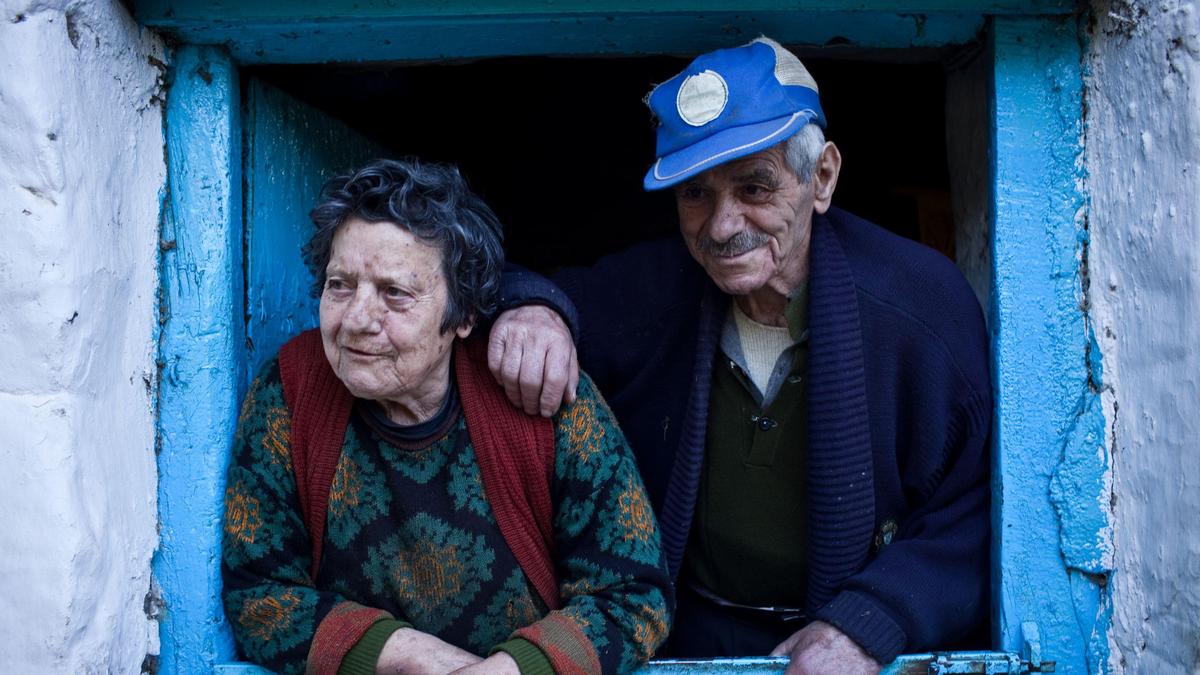
: Cet élément HTML5 résume l’image et sa légende, les traitant comme une seule unité autonome. * : Cet élément est utilisé pour images réactives. Il permet au navigateur de choisir la source d’image la plus appropriée en fonction de la taille et de la résolution de l’écran. * Tags (à l’intérieur ): Ces définissent différentes sources d’image avec des requêtes médiatiques associées (par exemple, imwidth=200 100w, imwidth=300 150w). Le w Le descripteur indique la largeur de l’image en pixels. Le navigateur utilise ces faits pour sélectionner la meilleure image pour la fenêtre actuelle. * Tag (à l’intérieur ): Ceci est l’image de secours. Il est utilisé si le navigateur ne prend pas en charge le élément ou si aucun des Les requêtes multimédias correspondent. Le src L’attribut pointe à l’image par défaut. * Tag (à l’intérieur ): Cela fournit une image pour les utilisateurs handicapés JavaScript. * alt attribut: «Les gens des zones bleus sont également soumis à une idée fausse.» Cela fournit un texte alternatif pour l’image, crucial pour l’accessibilité (lecteurs d’écran) et le référencement. * class Attributs: Ceux-ci sont utilisés pour le style avec CSS. * : Cet élément contient la légende de l’image. * Texte de légende: «Les gens dans les zones bleus sont également soumis à une idée fausse. Crédit: Gianluca colla / Gianluca colla» *
: These divs contain the paragraphs of text, likely adding padding for mobile responsiveness.
* : These are the paragraphs of text.
Content Summary:
* Image: The image depicts people, likely in one of the Blue Zones. * Caption: Highlights that there are misconceptions about the Blue Zones. * Paragraph 1: Acknowledges that the Blue Zones have faced criticism regarding statistical flaws and the role of genetics. * Paragraph 2: Quotes Dan Buettner (a prominent researcher of Blue Zones) stating that genetics only account for 20% of longevity, and that the environment doesn’t need to be idyllic.
In essence, this code snippet presents an image illustrating a point about the Blue Zones, accompanied by text that addresses common criticisms and misconceptions surrounding them.
Exploring teh Truth Behind Blue Zones
Dive into the common myths and scientific debates surrounding the world’s longest-living communities.
Q: What are the Blue Zones and why are they so interesting?
A: Blue Zones are regions around the world where people remarkably live longer, healthier lives. These communities have become a subject of intrigue, but also significant misconception and debate.
Q: Are there many misunderstandings about the Blue Zones?
A: Yes, people in the Blue zones are frequently enough subject to much misconception. The reality behind their longevity is more complex than simple assumptions might suggest.
Q: What kind of criticism have the Blue Zones faced?
A: The Blue Zones have faced criticism, particularly concerning statistical flaws in some studies and the extent to which genetics might play a role in their inhabitants’ longevity.
Q: What role does genetics play in Blue Zone longevity?
A: According to Dan Buettner, a key researcher of these areas, genetics only contribute about 20% to longevity. This suggests lifestyle and habitat have a more ample impact.
Q: Does the environment in Blue Zones need to be perfect for longevity?
A: Dan Buettner also notes that the environment in Blue Zones doesn’t need to be idyllic. This challenges the notion that specific, pristine conditions are solely responsible for the long lifespans observed.
Q: Who is dan Buettner and why is he relevant to blue Zones?
A: dan Buettner is a prominent researcher and author who has extensively studied and popularized the concept of Blue Zones. His insights offer a primary source of data on the topic.
Q: Are Blue Zone residents genetically predisposed to living longer?
A: While genetics play a part, Dan Buettner states they account for only 20% of longevity. This emphasizes that factors beyond inherited traits are critical in these populations.
Q: Can anyone replicate the longevity of Blue Zone residents?
A: The research suggests that understanding and possibly adopting the lifestyle factors prevalent in Blue Zones, rather than relying solely on environmental perfection or genetics, is key.
Q: What are the core components often associated with Blue Zone lifestyles?
A: While the provided text doesn’t detail these, common discussions around Blue Zones focus on diet, physical activity, social connections, and purpose in life.
Q: How do misconceptions about Blue Zones affect our understanding of aging?
A: misconceptions can lead people to believe that exceptional longevity is unattainable or requires specific, rare conditions, rather than achievable through adaptable lifestyle choices.
Q: Can local environmental factors truly influence lifespan significantly?
A: Dan Buettner’s perspective indicates that while environment plays a role, it doesn’t need to be “idyllic” to contribute to greater longevity, suggesting a broader set of manageable influences.
uncover the science and debunk the myths to understand the true secrets of living a long and healthy life.