
34
L’avenir des soins primaires: les tendances façonnent les soins de santé dans les années à venir
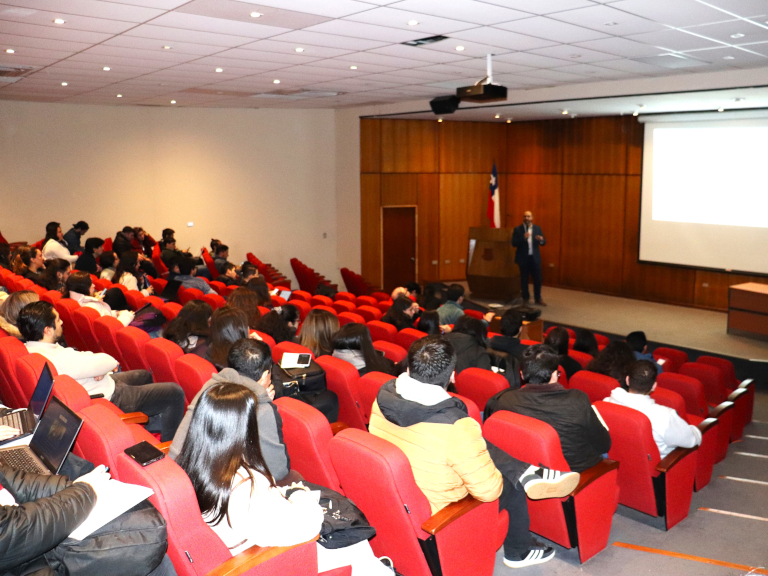
<p>The landscape of primary care is constantly evolving, driven by advancements in medical knowledge, technological innovations, and shifting patient expectations. A recent gathering of general practitioners at the Universidad de Concepción in Chile highlighted the critical need for continuous education in managing prevalent urgent care situations. This event, covering topics from acute myocardial infarction to hypertensive crises, offers a glimpse into the future of healthcare. Let's delve into the key trends shaping the future of primary care and how they impact both healthcare professionals and patients alike.</p>

<h3>Emphasis on Early Intervention and Prevention</h3>

<p>One of the most significant shifts is the increasing focus on preventive care. This means detecting and addressing health issues early on, before they escalate into more serious and costly conditions. Strategies include comprehensive health screenings, patient education programs, and lifestyle interventions. For example, proactive screening for cardiovascular diseases, which are often the most frequent concerns in primary care, can drastically reduce the incidence of heart attacks and strokes. According to the World Health Organization (WHO), early intervention is key to tackling chronic diseases, which are responsible for approximately 74% of deaths worldwide.</p>

<p>
    <b>Did you know?</b>
    Regular health check-ups, including blood pressure monitoring and cholesterol testing, are crucial for early detection of potential problems.
</p>

<h3>Leveraging Technology in Healthcare</h3>

<p>Technology is revolutionizing how primary care is delivered. Telemedicine, for instance, enables remote consultations, allowing patients to access care from the comfort of their homes, especially beneficial for those in remote areas or with mobility issues. Electronic health records (EHRs) streamline patient information, improving coordination of care among different specialists. AI-powered diagnostic tools can assist in faster and more accurate diagnoses. Consider the implementation of wearable devices that monitor vital signs, alerting physicians to potential health risks in real-time.</p>

<p><b>Pro Tip:</b> Embrace telehealth solutions to expand your patient reach and improve accessibility. Ensure your clinic's website is optimized for mobile use for easy appointment scheduling and information access.</p>

<h3>Personalized Medicine and Patient-Centric Care</h3>

<p>Healthcare is moving towards personalized approaches, where treatment plans are tailored to individual patient needs. This involves considering factors like genetics, lifestyle, and environment. Furthermore, patient-centric care prioritizes the patient's preferences and values in decision-making. Shared decision-making, where doctors and patients collaborate on treatment options, is becoming increasingly common. This shift towards patient-centered care improves patient satisfaction and adherence to treatment plans.</p>

<p>
    <b>Real-Life Example:</b>
    Imagine a patient with a family history of diabetes. Genetic testing can help determine their predisposition to the disease, allowing for customized preventative measures and early intervention.
</p>

<h3>Integration of Mental Health Services</h3>

<p>Recognizing the strong link between physical and mental health, primary care practices are increasingly integrating mental health services. This can involve offering on-site counseling, screening for mental health conditions, and collaborating with mental health professionals. This integrated approach ensures that patients receive holistic care addressing both their physical and psychological well-being. Addressing mental health issues in primary care settings significantly reduces the stigma and improves access to care.</p>

<h3>The Role of Continuous Medical Education</h3>

<p>The primary care event at the Universidad de Concepción highlights the essential role of continuous medical education. Healthcare professionals must stay updated with the latest advancements in medical science and technology. Regular training programs, conferences, and online courses are crucial for enhancing skills and knowledge. This includes understanding new diagnostic tools, treatment options, and best practices in patient care.</p>

<p>
    <b>Data Point:</b>
    A study published in the "Journal of the American Medical Association" found that physicians who participate in continuous medical education have improved patient outcomes.
</p>

<h3>FAQ Section</h3>

<p><b>What is the significance of the “Primer Curso de Manejo de la Urgencia Prevalente en Atención Primaria”?</b></p>
<p>It underscores the ongoing need for primary care physicians to be well-equipped to handle common urgent care situations, ensuring effective patient care.</p>

<p><b>How is technology impacting primary care?</b></p>
<p>Telemedicine, electronic health records, and AI-powered diagnostic tools are transforming care delivery, enhancing efficiency and accessibility.</p>

<p><b>Why is personalized medicine becoming more important?</b></p>
<p>It allows for tailored treatment plans based on individual patient needs, leading to improved outcomes and patient satisfaction.</p>

<p><b>What are the benefits of integrating mental health services in primary care?</b></p>
<p>It promotes holistic care, reduces stigma, and improves access to mental health support for patients.</p>

<p><b>How can I stay updated on the latest trends in primary care?</b></p>
<p>Attend medical conferences, participate in continuing education programs, and regularly consult reputable medical journals.</p>

<p>For further reading on primary care trends, check out the [American Academy of Family Physicians](https://www.aafp.org/).</p>

<p>
    Do you have any questions about these trends or how they might affect your healthcare? Share your thoughts and experiences in the comments below!
</p>